
Million-Dollar Injury Claims? Here’s What Typical Settlements Really Look Like
Million-Dollar Injury Claims? Here’s What Typical Settlements Really Look Like
Million-dollar settlements in personal injury cases, as advertised by major law firms, sound enticing. But the reality? Often disappointing. Most claims barely cover medical bills and lost wages. The final payout depends on injury severity, strong evidence, and the financial resources (insurance coverage) of the at-fault party. Aggravating factors, like gross negligence or safety violations, can increase compensation, but insurance companies fight tooth and nail to pay as little as possible. This guide breaks down how settlements work in Los Angeles.
- Real Settlement Stories
- Severe Injuries and Strong Evidence
- California’s Biggest Recent Verdicts
- What’s Your Case Worth? Average Settlement Stats.
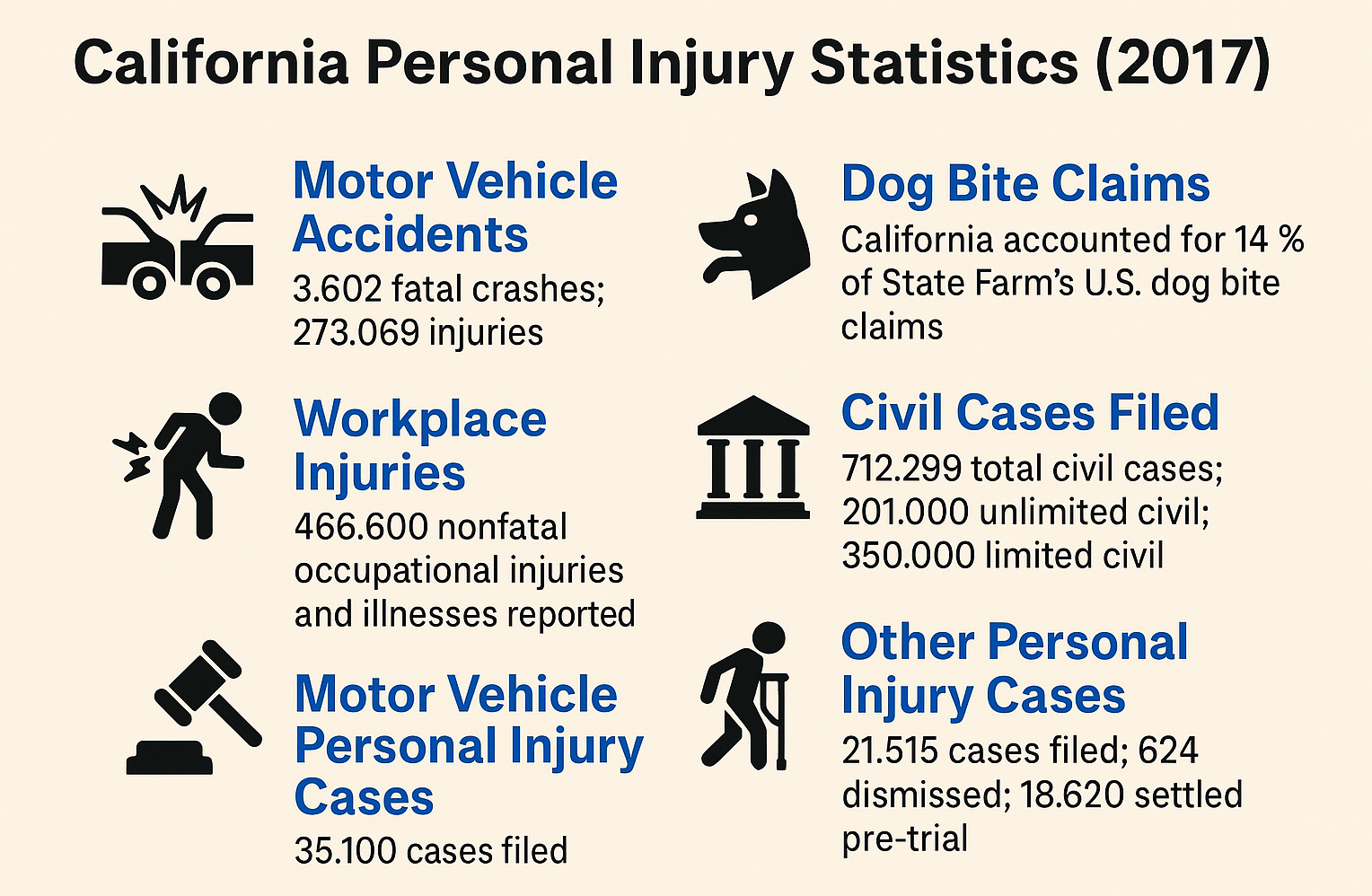
- Statistics: car accidents, slip & fall, workplace
Without an experienced injury attorney one who understands insurance company tactics, knows how to counter them, and has the reputation to negotiate effectively - your chances of a big payout are slim. If your case goes to trial, you'll be up against an insurance company's legal team (insurance defense attorneys) whose sole job is to minimize payouts.
If you want to play around with the numbers, try this personal injury calculator. It considers both current and projected medical expenses, property damage, total lost earnings, and estimated future lost income. Your potential compensation is significantly impacted by the severity of your injury and recovery time.
I’m not here to discourage you from fighting for what you deserve. In fact, booking a free consultation with an experienced personal injury lawyer is a smart first step. It costs nothing, and only a skilled attorney can assess whether your injuries and the circumstances of your case could lead to a substantial (and fair) settlement.
1. Let’s take a closer look at settlement amounts
To understand what’s really at stake, we need to go beyond the headlines and dive into real cases. The situations below involve everyday people, their lawyers, the opposing parties, and, of course, the ever-present insurance companies. Public discussions about these cases reveal the challenges plaintiffs face.
Case One: Car Accident
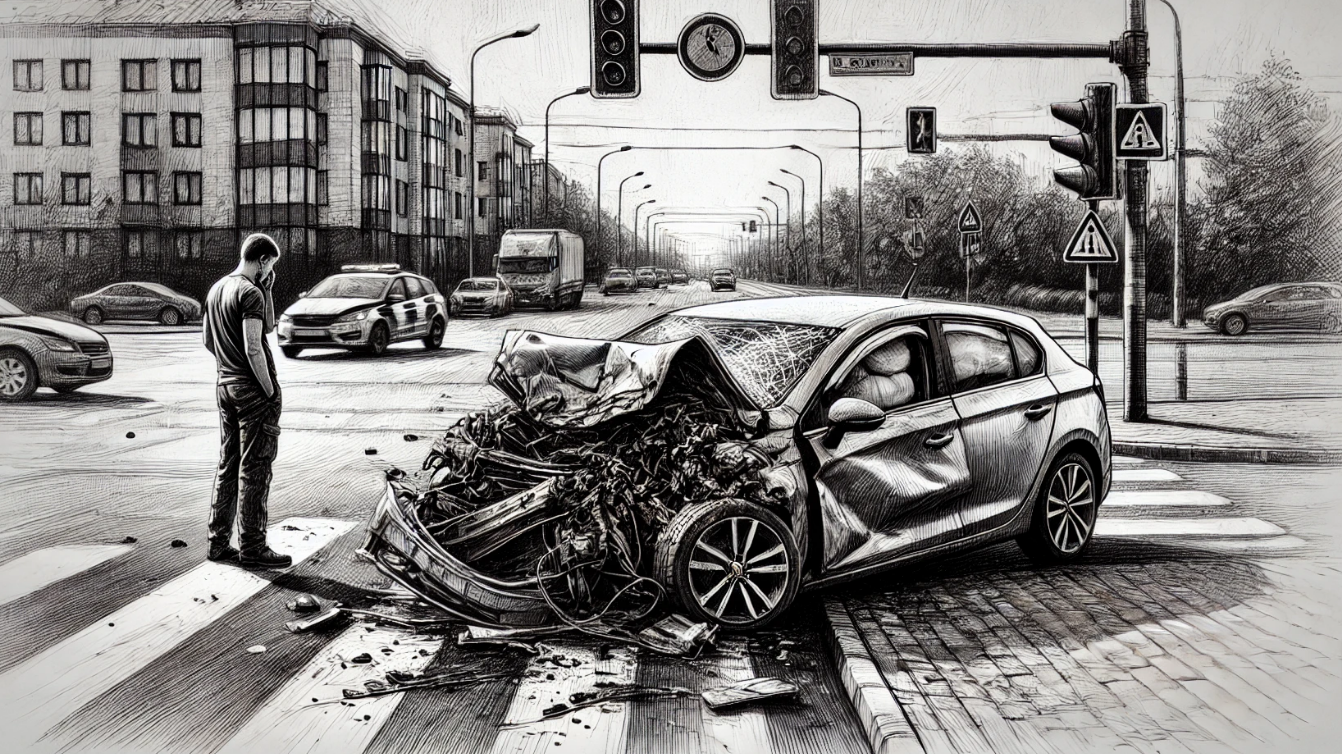
One driver was traveling at 50 mph when they collided with a left-turning vehicle. They suffered minor injuries, underwent two months of treatment, and racked up $20,000 in medical bills plus $2,000 in lost wages. The at-fault driver had insurance coverage up to $150,000. The injured driver assumed their settlement would exceed $10,000. But after two months of negotiations with a lawyer, they walked away with just under $10,000 - after legal fees.
- Delayed medical treatment: Starting physical therapy nearly a month post-accident weakened the claim for higher compensation.
- Poor attorney communication: The law firm was slow to respond, leaving the client frustrated and in the dark.
- Low initial insurance offer: The insurer first offered just $2,000 for pain and suffering - insultingly low.
- Disputed medical treatment value: The insurer refused to cover PRP injections, claiming they weren’t standard treatment.
- Lengthy negotiations: The case dragged on for months, causing emotional stress and financial uncertainty.
The Lesson?
Things could have played out differently. The claimant admitted their attorney lacked responsiveness, a major red flag. Even top-rated law firms can assign cases to junior lawyers with less experience. The key takeaway? Choose a lawyer who is not only experienced but also communicative and aggressive in negotiations. And remember - time is everything. Gathering evidence, securing legal counsel, and starting treatment immediately can make all the difference.
The best personal injury lawyers (A Lawyer Who’s Not Afraid of Court) aren’t just found at big firms. Smaller firms with dedicated trial attorneys often provide stronger advocacy.
Case Two: Bicycle Collision
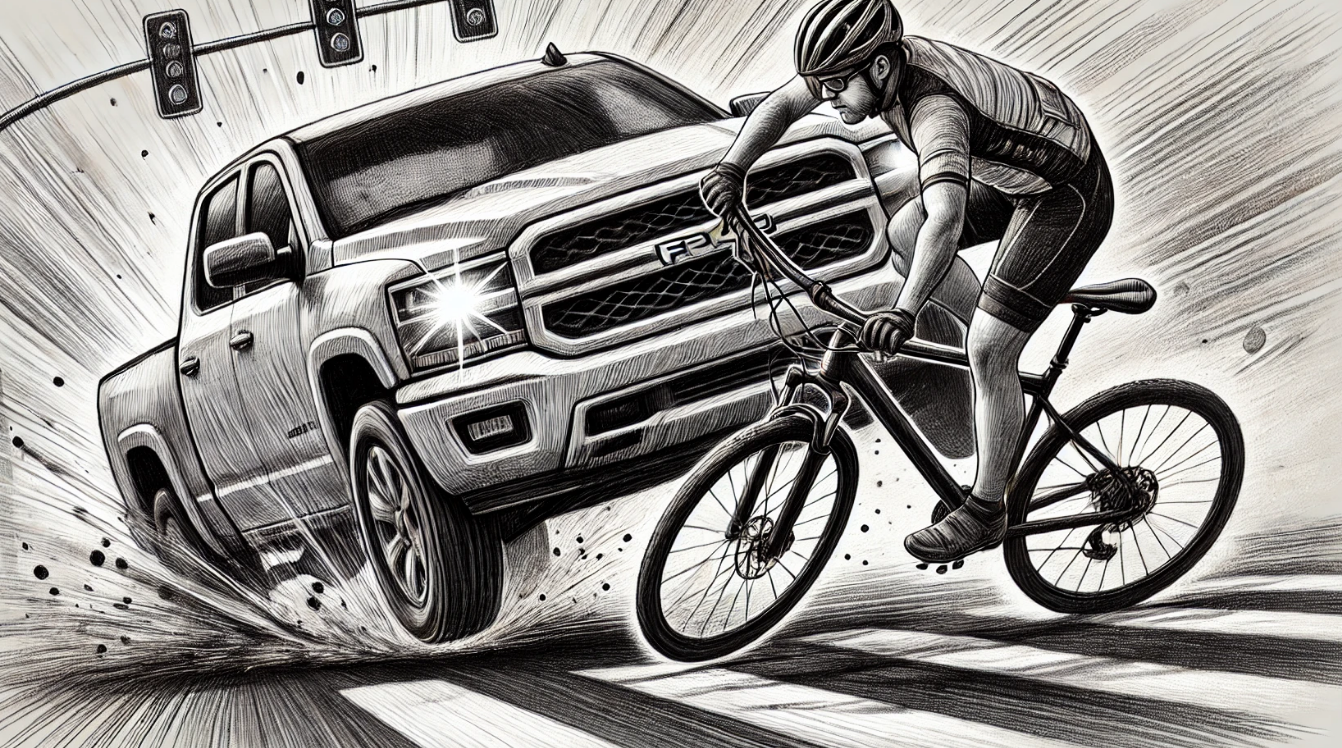
In this case, liability was clear and undisputed. A cyclist was struck while riding, hit from the left side by a car. He suffered severe fractures in his lower leg (the bone shattered into five pieces, some piercing the skin), requiring two surgeries, including reconstructive procedures, and developed blood clots. Due to his injuries, he was temporarily unable to work, and his most significant long-term consequence was a limp. Since the driver’s fault was undeniable, the case was settled out of court. However, the entire process took four years. After deducting a 25% attorney’s fee (unusually low, as standard fees range from 30-40%), the cyclist ultimately received approximately $150,000 from the total $200,000 settlement.
Clear Liability, Uncertain Compensation
- Lengthy settlement process: A four-year resolution was considered excessively long, especially for a case with no dispute over fault.
- Delay in determining insurance coverage: The attorney took on the case only after confirming that the driver had sufficient insurance. The claimant viewed this as a sign of laziness.
- Petty disputes: The lawyer needlessly argued with the insurance company over minor expenses, such as replacing the cyclist’s $40 helmet.
- Dependence on the at-fault driver’s insurance: Had the driver been uninsured, the cyclist would have received no compensation, highlighting a systemic issue.
- Complicated administrative process: Negotiating between the cyclist’s health insurer and the driver’s liability insurer was bureaucratic and frustrating, making the claimant question the necessity of having health insurance in the first place.
Key Takeaways
While the final settlement amount was reasonable given the severity of the injuries, the process was unnecessarily prolonged. The attorney charged a reduced fee but lacked proactive engagement and efficiency. The claimant was fortunate that the at-fault driver had sufficient insurance - otherwise, he might not have received any compensation at all.
Relying on the at-fault party’s insurance is risky – having underinsured motorist coverage (wiki) can be crucial. Even clear-cut cases can take years, requiring patience and persistence.
Clear liability and severe injuries do not guarantee a quick settlement. This four-year case demonstrates that even straightforward claims can be delayed by administrative hurdles, an attorney’s approach, or waiting for long-term prognosis assessments. A low attorney’s fee did not compensate for their passivity and unnecessary disputes over trivial matters. The key takeaway: securing personal uninsured motorist coverage is essential, as relying on the at-fault party’s policy can result in no compensation at all.
In such cases, hiring an expert bicycle accident, personal injury, or car accident attorney is crucial - turning a potential six-figure settlement into millions.
Final Case: $58.3 Million Ice Slip Settlement
This high-profile case involved a 39-year-old technician working for Altech Services, Inc.. He slipped on ice while repairing a train in Palmdale, California. The jury awarded him $58.3 million - the largest slip-and-fall verdict in U.S. history. Workers' compensation was initially denied, but inconsistencies in the employer’s defense led to a record-breaking jury award.

Case Facts
The technician slipped on water left on a train surface after testing. His foot became entangled in electrical cables, and the weight of his tools caused severe hyperextension of his ankle and knee. Sources: yahoo, case facts (juryverdictalert.com), expertinstitute.
Accident Location: Kinkisharyo International facility in Palmdale, California, February 2016.
Injuries:
- Microfracture in the foot leading to Complex Regional Pain Syndrome (CRPS).
- Surgeries on his foot, neck, and back.
- Chronic pain restricting movement and preventing him from working.
Trial Proceedings
- Trial Location: Los Angeles, California, Spring 2024.
- Settlement Offers:
- Plaintiff offered to settle for $3 million (March 2022).
- Kinkisharyo countered with a lowball $752,000 offer promptly rejected.
- Phase 1: The court ruled unanimously that the technician was not a Kinkisharyo employee, making him eligible for a lawsuit.
- Phase 2: Liability and injury dispute. The jury rejected Kinkisharyo’s defense and awarded $54,158,431 in damages.
- Phase 3: The jury granted $4,200,000 in punitive damages to deter future negligence.
Settling too soon is a costly mistake. Insurance companies rush lowball offers to avoid paying for long-term medical care. What seems minor now, like a sore knee, could require surgery months later, leaving you with massive bills.
Once you sign, your case is closed forever - no matter how serious your injuries become. You have two years to settle, so don’t rush. Wait until treatment is complete and consult a skilled personal injury lawyer to secure the compensation you truly deserve.
2. Severe Injuries and Strong Evidence Lead to Higher Payouts
Clear and compelling evidence of fault, combined with severe, long-term injuries, is crucial in securing substantial compensation. A strong case built on clear negligence, documented lost wages, and medically verified pain significantly boosts the likelihood of a successful outcome. However, when evidence is lacking or liability is disputed, even serious claims can end with minimal settlements. Moreover, most plaintiffs receive far less than the massive awards often publicized, as those cases typically involve extraordinary circumstances.
Exceptionally high compensation amounts are rare and usually stem from unique situations, class action lawsuits, severe corporate misconduct, or catastrophic injuries. Below are some of the most notable personal injury settlements in the U.S., including cases from California:
Landmark Tobacco Settlement (1998)
- The largest personal injury settlement in U.S. history is the Master Settlement Agreement with major tobacco companies. The four biggest tobacco firms agreed to pay a total of $206 billion over 25 years to cover the costs of treating smoking-related illnesses. This was a public settlement between the tobacco industry and 46 U.S. states, rather than an individual claim, but it remains illustrative in terms of scale.
Anderson v. General Motors (California, 1999)
- One of the largest individual personal injury settlements. The Anderson family suffered severe burns in a Chevrolet Malibu fire due to a faulty fuel tank design. The jury awarded them $4.9 billion ($107.6 million in compensation and $4.8 billion in punitive damages). However, such astronomical awards, especially punitive damages for gross negligence, are often reduced on appeal.
Robert Middleton Case (Wrongful Death, Texas, 2011)
- A historic verdict in a tragic case where a young boy succumbed to injuries from a brutal attack. The family sued the perpetrator for wrongful death, and the jury awarded a record-setting $150 billion in punitive damages. While the perpetrator was unable to pay such a sum, the ruling underscored the severity of the crime and made legal history.
Punitive damages are monetary penalties imposed by courts in addition to compensatory damages. They serve to punish defendants for gross negligence, willful misconduct, or reckless actions and act as a deterrent. Typically awarded in severe cases involving corporate negligence or fraud, punitive damages often exceed compensatory damages, but courts ensure they remain reasonable (State Farm v. Campbell precedent).
BP Oil Spill Compensation (Deepwater Horizon, 2010)
Following the Deepwater Horizon oil rig disaster, BP established a compensation fund totaling $20 billion for affected individuals and communities. Though primarily an environmental catastrophe, the fund also covered personal injury claims and property damage. This stands as one of the largest private settlements in U.S. history, managed outside of court.
Recent Record-Setting Cases in California
California is known for high jury awards. In 2023, an injured motorcyclist won a $161 million verdict against Suzuki after a defective brake caused a severe leg injury. This is one of the highest individual verdicts in California history.
In May 2024, a Los Angeles jury awarded a record-breaking $58.3 million to a technician who slipped on a wet surface while working on a train - a case analyzed in detail earlier. This is the highest-ever slip-and-fall verdict in the U.S.
Earlier high settlements included a $20 million award for an elderly woman who suffered a serious injury after slipping on a wet hotel floor. The jury held the hotel fully liable for failing to warn guests about the hazard.
“McDonald’s Coffee Case” (Liebeck v. McDonald’s Restaurants, 1994) – Though not among the largest settlements, this case is famous for reshaping public perception of personal injury claims. Stella Liebeck, 79, suffered third-degree burns from spilled McDonald’s coffee. Initially seeking only ~$20,000 for medical costs, McDonald’s offered a mere $800.
She then sued, and the jury awarded her $160,000 in compensatory damages and $480,000 in punitive damages. The judge later reduced punitive damages, bringing her total payout to approximately $640,000.
This case highlighted the importance of proving willful negligence - McDonald’s had prior knowledge of hundreds of similar burn incidents, which played a crucial role in the jury's decision to impose exemplary damages.

These cases demonstrate that exceptionally high payouts arise from extraordinary circumstances: gross negligence, multiple victims, catastrophic injuries, or strong public interest in punishing wrongdoing. In everyday personal injury claims, such massive awards remain the exception. A skilled attorney who is willing to take on insurance companies and fight aggressively can make all the difference.
From Accident to Compensation: The Definitive Guide to Choosing a Proven Personal Injury Lawyer in Los Angeles



Statistics on Average Settlement Amounts
The amount of compensation for personal injuries varies based on the severity of the injury, the liability of the opposing party, and the strength of available evidence. Most settlements fall between $10,000 and $100,000, with minor injuries (e.g., whiplash) typically settling around $10,000 to $25,000, while severe injuries requiring surgery can reach $50,000 to $250,000.
Catastrophic injuries with permanent consequences often exceed millions. For car accidents, the median settlement is $16,000; for work-related injuries, it is $148,750, with severe cases leading to million-dollar settlements. Slip-and-fall incidents typically settle between $10,000 and $50,000, though more serious cases can exceed $90,000.
Medical malpractice cases - which often result in lifelong consequences - have the highest average settlement at $679,000, with a median of about $250,000. For defective product claims, the median is $748,000, while intentional torts (such as assault) average around $38,000. The overall average personal injury settlement is approximately $55,000, with around 50% of plaintiffs winning in court. Every case is unique, and the final amount depends on the strength of evidence and legal strategy.
Big Settlements Are the Exception, Not the Rule
You’ve seen the billboards advertising massive payouts, but here’s the truth: most personal injury settlements are far smaller. High-dollar cases usually involve severe injuries, strong evidence, and high insurance limits.
For soft tissue injuries without broken bones, $25,000 is often a best-case scenario - assuming the crash was severe, medical bills were high, and the at-fault driver had insurance. On the flip side, minor cases often settle for $1,000 to $2,000 or even nothing at all if injuries aren’t well-documented.
The real game-changer? Broken bones, surgeries, and permanent impairments. Cases involving plates, screws, or traumatic brain injuries can reach six or seven figures - but only if there’s enough insurance coverage. Without it, even life-altering injuries may result in modest settlements.
Before accepting a lowball offer, understand this: insurance companies pay what they must, not what’s fair. An experienced personal injury lawyer who knows how to leverage medical records, future treatment costs, and insurance policies can make a massive difference. The right representation is often the difference between a disappointing check and true financial recovery.
Median Settlement Amounts by Case Type, Based on Available Studies and Statistics:
Car Accidents:
According to U.S. data, the median settlement for all car accidents is approximately $16,000.
This relatively low median reflects the fact that most accidents involve minor collisions with limited injuries. However, the average payout can be higher, one analysis reports an average settlement of around $37,000 per accident in the U.S., considering cases with severe injuries. Fatal accidents or those causing lifelong disabilities can lead to settlements in the millions, though such outcomes are rare. (For instance, the highest car accident settlement in Pennsylvania reached $227 million for the families of victims killed in a building collapse caused by construction negligence.)
Slip-and-Fall Accidents (Premises Liability):
These cases fall under premises liability and typically settle in the tens of thousands of dollars. One source (growlawfirm.com) reports an average settlement range of $10,000 to $50,000 for slip-and-fall claims. However, the median settlement - including court verdicts - is higher, at around $90,000 for cases involving hazardous property conditions.
What does this mean? It highlights the fact that while minor slip-and-fall injuries settle for lower amounts, serious falls (fractures, spinal injuries) have a strong likelihood of securing significant compensation (such as the record-breaking $58 million slip-and-fall verdict in California in 2024). Approximately one-third of all emergency room visits for seniors result from falls, suggesting that average payouts may increase with the age and severity of the victim’s injuries.
Workplace Injuries:
In the U.S., most routine workplace injuries are covered under workers’ compensation (which provides fixed benefits regardless of fault, typically lower than civil lawsuit settlements). However, when employees sue a third party or in cases of employer negligence, settlements tend to be higher. One study focusing on back and neck injuries found that the national average settlement for these workplace injuries was approximately $148,750, with a median of around $152,000.
- This is higher than the average car accident payout, reflecting the severity of many workplace injuries (falls from heights, machinery accidents, etc.). However, minor workplace injuries (sprains, minor lacerations) tend to be compensated at lower amounts through employer insurance. Severe workplace injuries (such as permanent disability from a scaffolding fall) often lead to million-dollar settlements if liability (e.g., faulty equipment, contractor negligence) can be proven.
Medical Malpractice
Medical malpractice cases have significantly higher average settlements than other personal injury claims. The reason? Long-term care costs for injured patients and the often punitive nature of jury verdicts. Based on available data, the average settlement for medical malpractice claims in the U.S. is estimated at $679,000, significantly surpassing other personal injury categories. The median settlement is lower, approximately $250,000.
Many smaller malpractice claims settle for less, while extreme cases push averages higher. Despite this, even the median value remains the highest among personal injury cases. Some states have legislative caps on non-economic damages in malpractice cases (e.g., California had a long-standing $250,000 cap on pain and suffering damages in malpractice suits). However, economic damages (such as lifelong medical care and lost wages) can still reach millions, such as a Florida case where an individual settlement reached $150 million for birth-related injuries (Cox v. HHMC, 2019).
Although the above statistics are based on real studies, most cases settle out of court, making it difficult to obtain precise nationwide data on personal injury settlements in the U.S.
Final Thoughts
What are the key factors that determine your success in securing fair compensation for a personal injury case in the U.S.? It bears repeating: the settlement amount depends on the severity of the injury, the strength of liability evidence, and the quality of legal representation. A crucial step is choosing an experienced personal injury lawyer with a proven track record in similar cases. For car accidents, it’s advisable to consult a car accident specialist, a bicycle accident attorney, or a pedestrian injury expert, as each area has its own legal nuances.
The settlement process can be lengthy, and insurance companies often try to offer the lowest possible payout. However, an experienced attorney knows how to assess the true value of a claim and negotiate effectively, or, if necessary, take the case to trial. Sharing anonymous experiences with lawyers, insurers, and settlement procedures is an invaluable resource for others facing similar situations. Every case is unique, but practical insights can help in estimating realistic expectations and the best strategy for achieving fair compensation.
Share Your Opinion!
Want your comment to stand out? Logged-in comments are more trusted and make a bigger impact! Sign in with Google to join the discussion and share your thoughts about Million-Dollar Injury Claims? Here’s What Typical Settlements Really Look Like. It only takes a moment to register or log in. Your voice matters!
Write a Comment!